Kia Q1 Sales Beats Hyundai: A Shocking Twist
The U.S. auto market just delivered an unexpected surprise—and it’s not from the usual giants. While several major automakers struggled to maintain momentum, Kia Q1 Sales Beats Hyundai has emerged as one of the most surprising developments of 2026 so far. This isn’t just a statistical win—it signals a deeper shift in buyer preferences, product strategy, and brand positioning in one of the world’s most competitive car markets. This is exactly why Kia Q1 Sales Beats Hyundai is trending across the U.S. auto market.c
Kia has managed to outperform Hyundai in total first-quarter sales, even though the competition between the two Korean giants remains incredibly tight. What makes this story even more interesting is that Kia achieved this during a broader industry slowdown, where brands like Toyota, GM, and Honda faced declining sales.
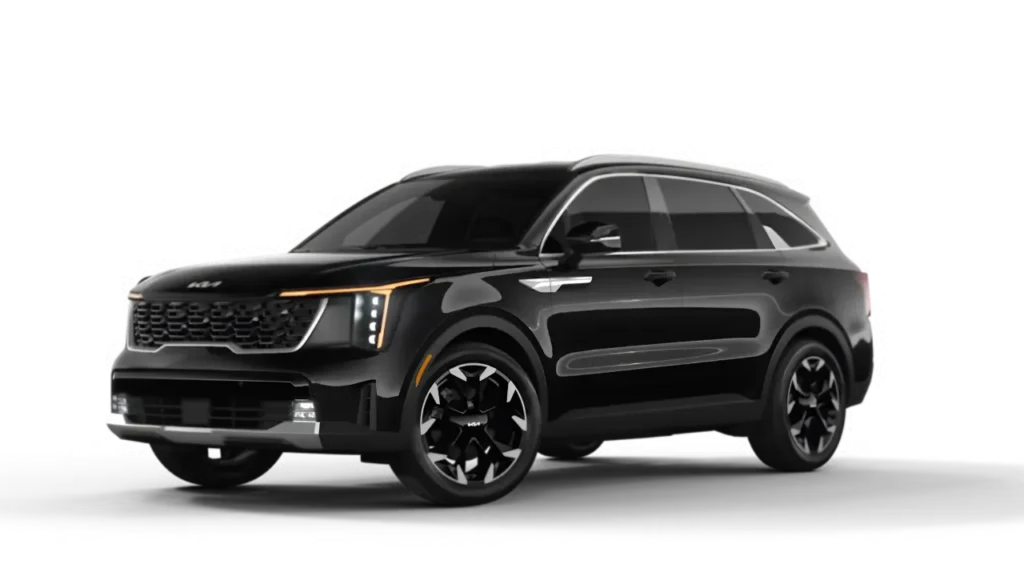 Image Source: Kia
Also Read: Shocking 2027 Subaru Getaway EV Stuns US With 420 HP
Kia Q1 Sales Beats Hyundai: The Numbers Tell the Story
Kia recorded its highest-ever first-quarter sales in the United States, crossing the 207,000 mark. Hyundai wasn’t far behind, but the difference—though small—matters in a fiercely competitive segment.
Q1 2026 U.S. Sales Comparison
The data below clearly shows why Kia Q1 Sales Beats Hyundai in overall Q1 performance.
| Brand | Q1 Sales (Units) | Growth Trend |
|---|---|---|
| Kia | 207,015 | +4% |
| Hyundai | 205,388 | Record High |
Despite Hyundai performing strongly, Kia edged ahead by 1,627 units. This lead may seem small, but in the automotive world, it reflects a significant competitive advantage.
However, the monthly breakdown reveals a different angle.
March 2026 Sales Snapshot
| Brand | March Sales |
|---|---|
| Hyundai | 84,087 |
| Kia | 76,508 |
Hyundai clearly dominated March, which suggests that the race is far from over.
What’s Driving Kia’s Record Growth?
Kia’s success didn’t happen by accident. It’s the result of a carefully balanced lineup, strong SUV demand, and value-driven pricing.
Top-Selling Kia Models (March 2026)
The numbers clearly show that Kia’s strength lies in its diverse portfolio, especially in SUVs and practical family vehicles.
The Sportage continues to lead the charge, appealing to buyers looking for affordability, fuel efficiency, and modern styling. Meanwhile, the Telluride remains a standout in the midsize SUV segment, offering premium features at a competitive price.
Also Read: 2026 Dodge Durango Gets Stunning America250 Upgrade
Performance & Product Strategy Breakdown
Kia’s lineup is designed to cater directly to evolving U.S. consumer preferences. SUVs dominate the portfolio, but the brand hasn’t ignored sedans or electrification.
SUV Strength (Core Growth Engine)
Kia’s SUVs like Sportage, Sorento, and Telluride offer hybrid options, advanced safety tech, and spacious interiors. These features align perfectly with American family needs, making them consistent top-sellers.
Sedan Revival (K4/Forte)
The introduction of the K4 has refreshed Kia’s sedan lineup. With better styling, improved tech, and aggressive pricing, it has helped Kia stay relevant in a segment many thought was declining.
EV Strategy (Still Catching Up)
While Kia offers EVs like the EV6 and EV9, their sales are still modest compared to expectations. This is one area where Hyundai currently holds an advantage.
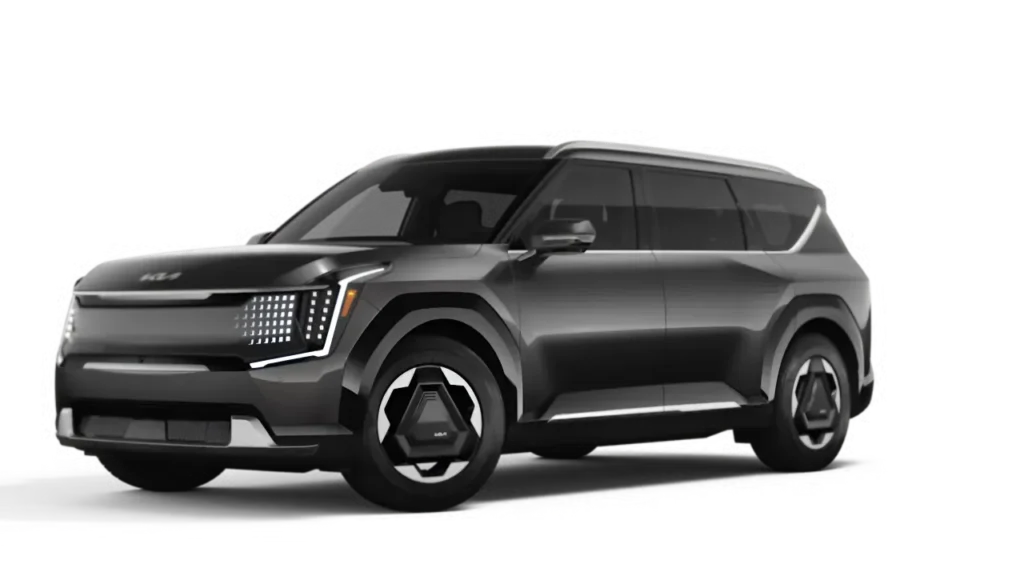 Image Source: Kia
Kia vs Hyundai: Model-by-Model Comparison
The rivalry becomes clearer when we compare key models from both brands.
Key Model Sales Comparison (March 2026)
| Segment | Kia Model (Sales) | Hyundai Model (Sales) |
|---|---|---|
| Compact SUV | Sportage (16,819) | Tucson (23,721) |
| Compact Sedan | K4/Forte (13,714) | Elantra (13,883) |
| Midsize SUV | Sorento (8,858) | Santa Fe (12,988) |
| Electric SUV | EV6 (883) | Ioniq 5 (4,425) |
| Midsize SUV (Premium) | Telluride (13,306) | Palisade (9,075) |
| Full-size EV SUV | EV9 (1,247) | Ioniq 9 (905) |
This table highlights a crucial insight: Hyundai leads in several mainstream categories, especially EVs, but Kia dominates in high-impact segments like the Telluride and EV9. Looking at the numbers, it’s clear why Kia Q1 Sales Beats Hyundai despite Hyundai’s strong monthly performance.
Pricing Strategy: Kia’s Silent Weapon
One of the biggest reasons behind Kia Q1 Sales Beats Hyundai is pricing. Kia consistently offers more features at slightly lower price points, making it extremely attractive to value-conscious buyers.
Approximate Price Range in the U.S.
| Model | Starting Price |
|---|---|
| Sportage | $27,000 |
| K4/Forte | $22,000 |
| Sorento | $31,000 |
| Telluride | $37,000 |
| EV6 | $43,000 |
| EV9 | $55,000 |
This pricing strategy allows Kia to target a wide range of buyers—from first-time car owners to families looking for premium SUVs without luxury-brand pricing.
Where Kia Is Falling Behind
Despite its strong performance, Kia still faces challenges.
- EV adoption remains slower compared to Hyundai
- The discontinuation of entry-level models like the Soul has impacted volume
- Hyundai’s Ioniq lineup is outperforming Kia’s EV offerings
These gaps could become critical if the market shifts more aggressively toward electrification.
Also Read: Hyundai Boulder Concept: 5 Shocking Things About This Rugged SUV
Why This Matters for U.S. Buyers
This isn’t just a corporate rivalry—it directly impacts car buyers.
Kia’s rise means:
- More competitive pricing across segments
- Better features in budget-friendly vehicles
- Increased innovation due to competition
For buyers, this translates into better deals and more options. For buyers, Kia Q1 Sales Beats Hyundai signals better value and stronger SUV choices in 2026
The Bigger Picture: Industry Impact
Kia’s growth is part of a larger trend—the rapid rise of Korean automakers in the U.S. While traditional leaders face challenges, brands like Kia and Hyundai are:
- Gaining market share
- Offering better value propositions
- Adapting faster to changing consumer demands
This shift could redefine the competitive landscape in the coming years.
Could This Momentum Continue?
The battle between Kia and Hyundai is far from settled. Hyundai’s strong March performance shows that it could reclaim the lead at any time.
Key factors to watch:
- Expansion of Kia’s hybrid and EV lineup
- Hyundai’s continued EV dominance
- Consumer response to new models like the Telluride hybrid