Oil Prices Surge: What It Means for India’s Auto Industry and Your Fuel Bill
Oil Prices Surge across global markets following escalating tensions between Iran, Israel, and the United States. The conflict has triggered retaliatory strikes near key shipping hubs in the UAE and Saudi Arabia, shaking global energy supply chains. Rising oil prices are expected to increase fuel costs and may impact car prices and demand in India’s auto market in 2026.
Crude oil prices have already climbed close to $79 per barrel, after briefly touching $82, and experts believe $90 per barrel could be the next critical level.
For India, the world’s third-largest oil consumer, this isn’t just geopolitical news—it could directly impact fuel prices, vehicle demand, and the entire auto industry.
If crude continues to climb, the ripple effects could hit everything from petrol prices to car sales and EV adoption.
Oil Prices Surge: Why It Matters for India:
India imports over 85% of its crude oil, making the economy extremely sensitive to global oil fluctuations.
Even a small rise in crude oil prices can significantly increase the country’s import costs.
According to industry estimates, every $1 increase in crude oil adds nearly ₹12,000 crore to India’s annual import bill.
When oil prices surge, the impact quickly spreads through the economy:
-
Petrol and diesel prices rise
-
Transportation costs increase
-
Inflation pressure grows
-
Consumer spending slows
For the automobile industry, this combination can be particularly damaging. For more insights on energy markets, you can refer to analysis by the International Energy Agency.
The Oil Shock and India’s Import Bill:
One of the biggest concerns behind the current oil prices surge is the growing tension around the Strait of Hormuz.
The Strait of Hormuz is a narrow but critical global energy chokepoint.
-
Around 20% of global oil shipments pass through it
-
Nearly one-third of global LNG supplies move through the region
With military activity rising nearby, shipping companies and insurers are becoming increasingly cautious.
As a result:
-
Shipping costs are rising
-
Insurance premiums for oil tankers are increasing
-
Oil delivery delays are becoming possible
All these factors push crude prices higher and intensify the oil prices surge.
Oil Prices Surge and the Auto Industry Impact:
The Indian auto sector, which includes giants like Maruti Suzuki and Tata Motors, could face serious challenges if crude prices remain elevated.
Higher fuel prices affect the industry in two major ways.
1. Declining Consumer Demand:
When petrol and diesel prices rise sharply:
-
Buyers postpone new car purchases
-
Demand for large SUVs and high-fuel-consumption vehicles drops
-
Two-wheeler sales slow down
This can trigger a temporary slowdown in vehicle sales across segments.
2. Rising Manufacturing and Logistics Costs:
The auto industry relies on complex supply chains.
Transporting components like:
-
Steel
-
Semiconductors
-
Engines
-
Batteries
becomes more expensive when fuel costs rise. Manufacturers then face shrinking profit margins or increased vehicle prices.
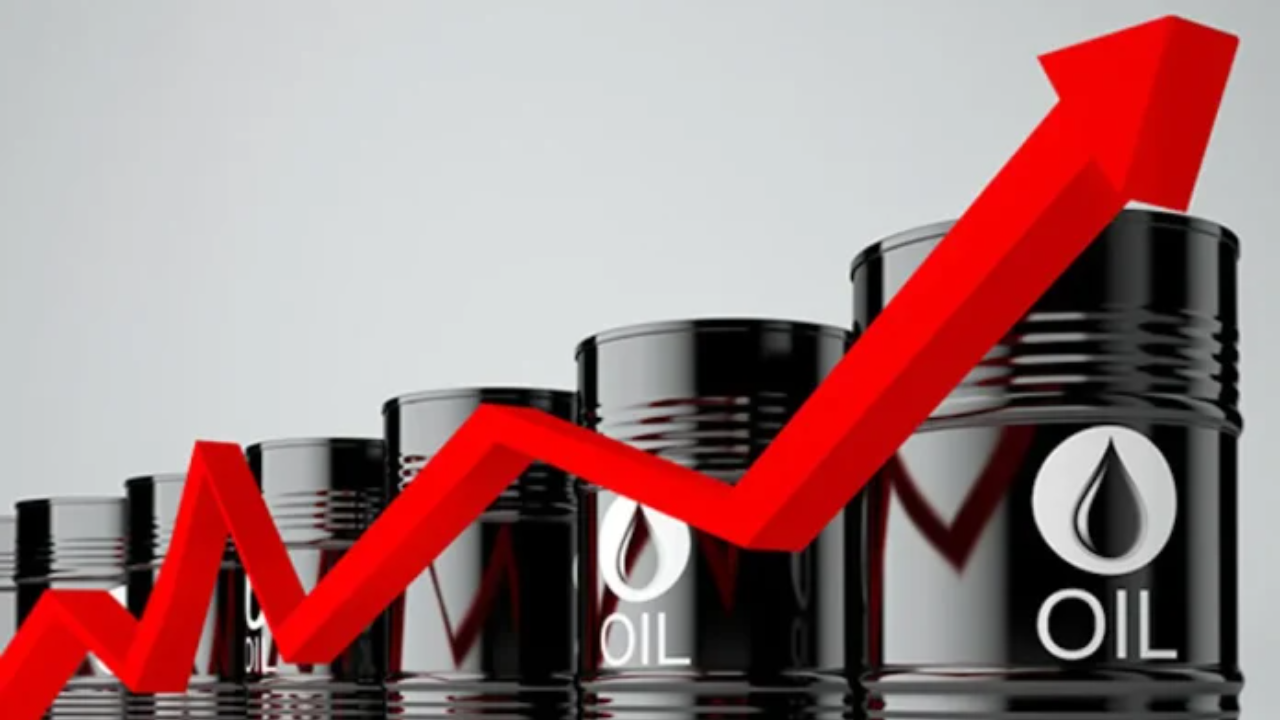
Why Higher Fuel Costs Could Change Car Buying Decisions:
When oil prices surge, consumer behavior shifts quickly.
Buyers begin to prioritize:
-
Fuel efficiency
-
Hybrid technology
-
Electric vehicles
Small hatchbacks and efficient sedans often see higher demand during fuel price spikes. Meanwhile, larger fuel-intensive SUVs may face slower sales growth. This trend has been seen multiple times during previous oil shocks.
Electric Vehicles: The Unexpected Winner:
One positive outcome of the oil prices surge could be faster electric vehicle adoption in India.
Companies like Tata Motors have already made significant investments in EV technology.
Higher fuel costs may encourage buyers to consider:
-
EV hatchbacks
-
Electric SUVs
-
Hybrid vehicles
However, EV manufacturing is not completely immune to global shocks.
Battery production depends on metals such as:
-
Lithium
-
Nickel
-
Cobalt
If global energy prices rise, battery supply chains could also face disruptions.
India’s Oil Supply Shift and the Russia Factor:
Another major factor influencing the oil prices surge is India’s evolving import strategy.
Due to geopolitical pressure, Indian refiners had reduced purchases from Russia and increased imports from the Middle East.
This increased India’s exposure to risks around the Strait of Hormuz.
However, recent market trends show refiners reconsidering Russian crude due to:
-
Stable shipping routes
-
Competitive prices
-
Lower geopolitical risk compared to Gulf shipping lanes
Companies like Indian Oil Corporation and Bharat Petroleum Corporation Limited have already increased Russian oil imports in recent months.
For detailed global oil market updates, refer to reports by the Organization of the Petroleum Exporting Countries.
Three Warning Signs of a Bigger Oil Crisis:
Energy analysts are watching three critical triggers that could worsen the current oil prices surge.
1. Prolonged Iran Conflict:
The resilience of Iran means geopolitical tensions may not resolve quickly. Extended conflict could keep oil markets volatile.
2. Damage to Key Gulf Ports:
Ports like:
-
Jebel Ali Port
-
Ras Tanura Port
are vital global oil hubs. Any disruption could immediately trigger a global supply shock.
3. Crude Crossing the $90 Barrier:
If Brent crude remains above $90 for several weeks, governments and central banks worldwide may face serious economic pressure. This could increase inflation and slow economic growth.
What Rising Oil Prices Mean for Indian Consumers:
For everyday motorists in India, the effects of oil prices surge could soon be visible at petrol pumps.
Possible outcomes include:
-
Petrol and diesel price hikes
-
Higher public transport fares
-
Increased goods transportation costs
-
Rising inflation across sectors
Even though government-owned oil companies may temporarily absorb some costs, price increases eventually reach consumers.
The Road Ahead for India’s Auto Market:
Despite the short-term challenges, the oil prices surge may accelerate structural changes in India’s automobile sector.
Key trends likely to emerge include:
-
Faster electric vehicle adoption
-
Increased hybrid vehicle demand
-
Government push for ethanol blending and biofuels
-
Stronger focus on fuel efficiency
India is also investing heavily in renewable energy and alternative fuels to reduce long-term oil dependence. If successful, these initiatives could make the country less vulnerable to global oil shocks in the future.
Read more automotive industry updates here AutoExpHub.
Also Read: 5 Upcoming Cars in March 2026: Renault Duster Returns, Audi SQ8 Arrives – 5 Powerful Launches
Also Read: TVS Beats Yamaha to Become World’s 3rd Largest Two-Wheeler Brand – Here’s How It Happened
Also Read: 2026 Suzuki eVitara Launch: 7 Powerful Features of the India-Built Electric SUV That’s Shocking Brazil
Also Read: New Nissan Tekton SUV Spied Again: 7 Exciting Features That Could Challenge Creta & Seltos
Also Read: CUPRA Raval 2026: 7 Powerful Reasons This Affordable Electric Hot Hatch Could Dominate the EV Market