Upcoming EVS in 2026: 8 Powerful New Electric SUVs Set to Shake India’s Market
India’s electric vehicle revolution is here. If 2025 felt like a turning point, the upcoming EVs in 2026 are about to elevate things even further. Legacy brands and new challengers are preparing everything from budget-friendly urban EVs to premium three-row electric SUVs. The next few months could change how Indian buyers view electric mobility.
From Tata Motors committing more to flagship EVs to Mahindra & Mahindra expanding its modern BE lineup—and even Toyota joining the EV market—the competition is getting intense.
Let’s look at the key upcoming EV launches in India for 2026, what they offer, and why they matter.
Also Read: Maruti Suzuki Ignis Discontinued in India as Nexa’s Most Affordable Hatchback Bows Out
Upcoming EVS in 2026: Key Highlights
- 8 major electric SUVs launching soon
- Range figures of over 600 km
- New battery tech (LFP plus 70 kWh packs)
- Focus on mid-size and premium segments
- More competition in the ₹15–30 lakh price range
Upcoming EVS in 2026: Key Specifications Comparison Table
| Model | Battery Pack Options | Power Output | Range (Claimed) | Drivetrain | Seating | Expected Price (Ex-showroom) |
|---|---|---|---|---|---|---|
| Toyota Urban Cruiser Ebella | 49 kWh / 61 kWh | 142 hp / 172 hp | 440 km / 543 km | FWD | 5-Seater | ₹16 lakh onwards |
| Tata Sierra.ev | Not Disclosed | Not Disclosed | Up to 600 km | RWD / AWD | 5-Seater | ₹20–25 lakh (est.) |
| Kia Syros EV | Dual LFP Options | Not Disclosed | ~500 km | FWD | 5-Seater | ₹15–20 lakh (est.) |
| Tata Safari.ev | Likely shared with Harrier.ev | Not Disclosed | Up to 600 km | AWD (Expected) | 6 / 7-Seater | ₹28–35 lakh (est.) |
| Mahindra BE 6 (70 kWh) | 70 kWh | 242 bhp | ~600 km | RWD | 5-Seater | ₹22–28 lakh (est.) |
| Mahindra XEV 9E (70 kWh) | 70 kWh | ~242 bhp | ~600 km | RWD | 5-Seater | ₹25–30 lakh (est.) |
| Mahindra BE 07 | 59 / 70 / 79 kWh | Not Disclosed | ~500–600 km | RWD / AWD | 5-Seater | ₹20–30 lakh (est.) |
| Mahindra Vision S EV | Not Disclosed | Not Disclosed | Not Disclosed | FWD (Expected) | 5-Seater | ₹12–18 lakh (est.) |
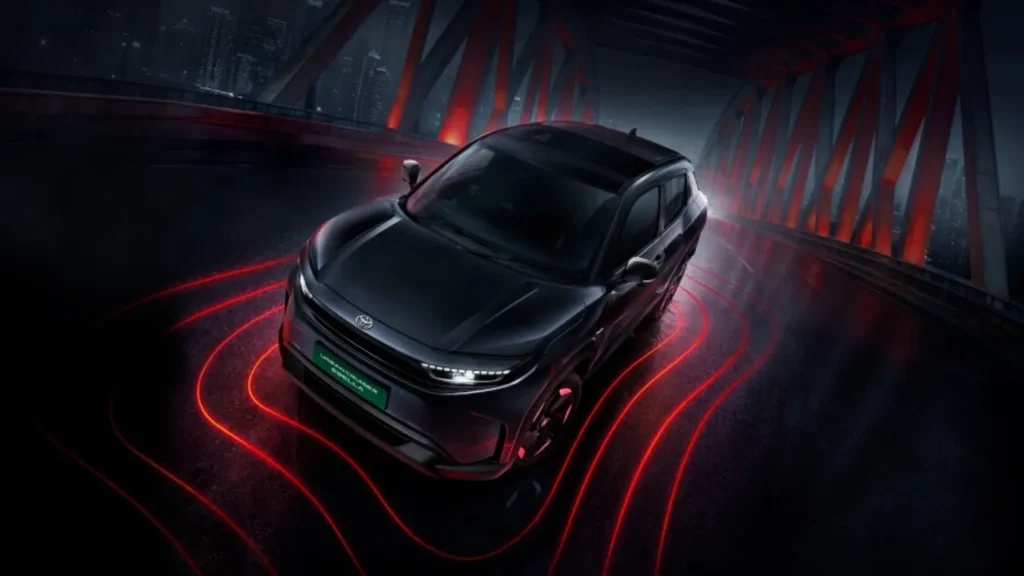
1. Toyota Urban Cruiser Ebella: Toyota’s EV Debut in India
Toyota is finally joining India’s EV race with the Urban Cruiser Ebella, a vital product that could change the brand’s future in the country.
Specifications Table
| Specification | Base Variant | Top Variant |
|---|---|---|
| Power | 142 hp | 172 hp |
| Torque | 193 Nm | 193 Nm |
| Battery | 49 kWh | 61 kWh |
| Range | 440 km | 543 km |
| Drivetrain | FWD | FWD |
| Expected Price | ₹16 lakh onwards | ₹20 lakh (est.) |
What Makes It Important
- First full EV from Toyota in India
- Closely related to Maruti Suzuki e Vitara
- Strong range figures for this segment
The Ebella aims at buyers upgrading from petrol SUVs and could become a safe, reliable EV option for cautious customers.
2. Tata Sierra.ev: Icon Reborn as a High-Tech EV
Few names bring as much nostalgia as the Sierra. Now, Tata Motors is reviving it—with a modern electric twist.
Key Highlights
- Rear-biased drivetrain (unusual for Tata EVs)
- Independent rear suspension
- AWD version expected by 2027
Expected Range
- Up to 600 km (extended-range RWD)
Variants Expected
- Standard Range RWD
- Extended Range RWD
- Extended Range AWD
The Sierra.ev isn’t just another EV—it’s a distinctive product combining heritage with state-of-the-art engineering.
Also Read: Mahindra Sales 2026 Surge as Scorpio Thar Bolero Cross 4.15 Lakh Units in India
3. Kia Syros EV: The Nexon.ev Rival
Kia is readying a direct rival to India’s top-selling EV—the Tata Nexon.ev.
Key Features
- Active air intake grille
- Aerodynamic 16-inch alloy wheels
- Locally sourced LFP battery cells (Exide Energy)
Range Expectation
- Around 500 km (larger battery variant)
Why It Matters
This could be the first serious competitor to the Nexon.ev in terms of:
- Pricing
- Range
- Features
4. Tata Safari.ev: India’s First Mainstream 3-Row EV SUV
The Safari.ev has the potential to change the landscape of EVs in India.
Highlights
- 6- and 7-seat configurations
- Flagship positioning
- Shared tech with Harrier.ev
Range
- Up to 600 km (MIDC combined)
Competitor
- Mahindra XEV 9E
India’s rising demand for family SUVs combined with EV adoption makes this a significant launch.
Also Read: Delhi EV Policy 2026 Announced With ₹1 Lakh Subsidy and Petrol Diesel Restrictions
5. Mahindra BE 6 (70 kWh): More Range, Better Balance
Mahindra is broadening its battery options to enhance its EV lineup’s versatility.
Specs Table
| Specification | Value |
|---|---|
| Battery | 70 kWh |
| Power | 242 bhp |
| Torque | 380 Nm |
| Range | ~600 km |
Why It Matters
- Sits between 59 kWh and 79 kWh variants
- Better pricing flexibility
- Balanced performance and range
6. Mahindra XEV 9E (70 kWh): Premium EV Gets Smarter
The XEV 9E will also get the new 70 kWh battery pack.
Key Benefits
- Similar performance to BE 6
- Improved variant structure
- More competitive pricing
Mahindra is clearly focusing on providing various battery options—a strategy that could shake up competitors.
7. Mahindra BE 07: The Future Mid-Size EV SUV
The BE 07 is becoming one of the most exciting upcoming EVs in 2026.
Expected Features
- Futuristic design (similar to concept)
- Larger dimensions than rivals
- Premium cabin tech
Battery Options
- 59 kWh
- 70 kWh
- 79 kWh
Rivals
- Hyundai Creta Electric
- Maruti Suzuki eVitara
- Toyota EV lineup
8. Mahindra Vision S EV: Compact EV for the Mass Market
Mahindra is also working on a sub-4m EV to replace the XUV 3XO EV.
Platform
- NU-IQ modular architecture
What to Expect
- Practical battery size
- Competitive pricing
- Urban-friendly design
This could become Mahindra’s best-selling EV.
Also Read: Mercedes-Benz FY26 Sales Reveal Strong Luxury Growth Strategy in India
Upcoming EVS in 2026: Quick Summary Table
| Model | Segment | Key Highlight | Range (Claimed) | Launch Timeline |
|---|---|---|---|---|
| Toyota Urban Cruiser Ebella | Compact SUV | Toyota’s first EV in India | 440–543 km | 2026 (Soon) |
| Tata Sierra.ev | Mid-size SUV | Iconic comeback with AWD option | Up to 600 km | 2026 |
| Kia Syros EV | Compact SUV | Nexon.ev rival with LFP battery | ~500 km | 2026 |
| Tata Safari.ev | Full-size SUV | 3-row electric flagship | Up to 600 km | Sept 2026 |
| Mahindra BE 6 (70 kWh) | Mid-size SUV | New balanced battery option | ~600 km | 2026 |
| Mahindra XEV 9E (70 kWh) | Premium SUV | More variant flexibility | ~600 km | 2026 |
| Mahindra BE 07 | Mid-size SUV | Futuristic design & bigger size | ~500–600 km | 2026–27 |
| Mahindra Vision S EV | Compact SUV | Sub-4m affordable EV | Not Disclosed | 2026–27 |
Upcoming EVS in 2026: Segment Impact Analysis
1. Range Anxiety Is Fading
With several models offering 500–600 km range, barriers to EV adoption are quickly falling.
2. Price War Incoming
- Entry EVs starting around ₹16 lakh
- Premium EVs nearing ₹30 lakh+
3. SUV Dominance Continues
Every major launch is an SUV, showing that Indian buyers still prefer:
- High ground clearance
- Road presence
- Practicality
Expert Analysis: Who’s Winning the EV Race?
- Tata Motors: Strongest portfolio, leading innovation
- Mahindra: Best future roadmap and platform strategy
- Toyota: Late entry with trusted brand value
- Kia: Aggressive challenger focusing on smart localization
The biggest shift?
EVs are no longer a niche; they are becoming mainstream options.
Also Read: Luxury Car Sales India 2026: BMW Surpasses Mercedes-Benz in Q4
Pros and Cons of Upcoming EVS in 2026
Pros
Longer driving ranges (up to 600 km)
More body styles and variants
Better pricing flexibility
Growth in rapid charging infrastructure
Cons
Still pricey compared to ICE cars
Charging infrastructure uneven outside metro areas
Battery replacement concerns persist
Who Should Consider Buying These EVs?
- Urban commuters aiming to save on fuel
- Tech-savvy buyers seeking the latest features
- Families considering 3-row EVs (Safari.ev)
- Early adopters looking for futuristic SUVs
FAQs: Upcoming EVs in 2026
Q1: Which is the best Upcoming EVS in 2026 in India?
The Tata Sierra.ev and Mahindra BE 07 stand out due to range, design, and technology.
Q2: What is the maximum range offered by upcoming EVs?
Several models, including Sierra.ev and Safari.ev, offer up to 600 km range.
Q3: Which EV will be most affordable?
The Toyota Urban Cruiser Ebella is expected to start around ₹16 lakh, making it one of the most accessible options.
Q4: Are 7-seater EVs coming to India?
Yes, the Tata Safari.ev will have 6- and 7-seat options.
Q5: Will EV prices drop in 2026?
With increased competition and local battery production, prices are expected to become more competitive.
Also Read: SUV Sales in 2026: You Won’t Believe Which SUV Took the Top Spot This Year
Final Thoughts: The EV Wave Is About to Explode
If you’ve been waiting to switch to electric, 2026 might be the right time. The upcoming EVs in 2026 aren’t just small upgrades—they represent a major advancement in range, design, and usability. With strong competition from Tata, Mahindra, Toyota, and Kia, buyers will finally have real choices across different price points.
These Upcoming EVS in 2026 clearly show that EVs in India are no longer about compromise; they are about opportunity. And that’s what makes this new wave so exciting. The Upcoming EVS in 2026 clearly signal a turning point for India’s electric mobility space, with longer range, better features, and stronger competition. For buyers, this means more choices and fewer compromises than ever before.