Petrol Prices in India: What the Middle East Crisis Means for Fuel Rates
Petrol Prices in India have become a major topic of discussion after rising geopolitical tensions in the Middle East. With the ongoing conflict involving the United States, Israel, and Iran, global oil markets are experiencing uncertainty, raising concerns about whether fuel prices could increase in India. Since India imports a significant portion of its crude oil, any disruption in global oil supply often impacts domestic fuel prices. However, despite rising global concerns, petrol and diesel prices across major Indian cities have remained stable for now.
This has left many consumers wondering: Why haven’t fuel prices increased yet? In this article, we break down the key reasons behind the current stability in petrol prices and what could happen in the coming months.
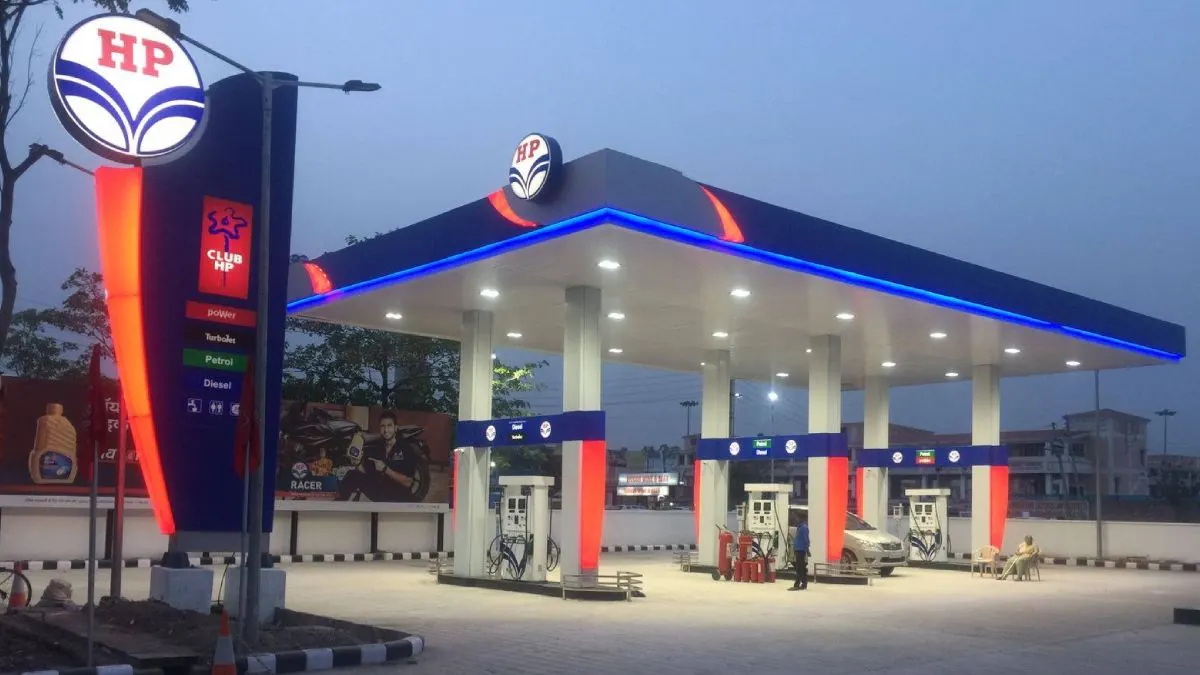
Why the Middle East Conflict Matters for Oil Prices
The Middle East plays a critical role in the global energy market. Several countries in the region are among the world’s largest crude oil producers, and any geopolitical tension can immediately influence global oil prices. Iran, in particular, holds a major position in global oil supply. When conflicts intensify or sanctions are imposed, the oil market reacts quickly. Reduced supply or the fear of supply disruptions can push crude oil prices higher. Recent developments involving Iran and stricter sanctions have already triggered upward pressure on crude oil prices in international markets.
Since India relies heavily on imported crude oil, fluctuations in the global energy market can directly influence Petrol Prices in India.
Why Petrol Prices in India Are Stable for Now
Despite rising global oil price concerns, Petrol Prices in India have not increased immediately. Reports indicate that the government is closely monitoring the situation and taking steps to maintain price stability. According to reports from the Press Trust of India, government sources suggest that there is currently no immediate plan to raise petrol and diesel prices. Oil marketing companies in India have been given some flexibility in pricing strategies. This allows them to maintain stable fuel rates for consumers even during short-term global volatility. For everyday commuters and car owners, this stability comes as a welcome relief.
Government Strategy to Control Fuel Prices
One of the key reasons behind stable Petrol Prices in India is the government’s pricing strategy. During periods when global crude oil prices were relatively low, authorities did not significantly reduce petrol and diesel prices. Instead, oil companies were allowed to maintain slightly higher margins. This strategy created a financial buffer. Now that global crude oil prices are rising again, oil marketing companies are using those previously built margins to absorb some of the cost increases instead of passing them directly to consumers. According to analysis by Nomura, this approach helps protect consumers from sudden fuel price shocks caused by temporary global market fluctuations.
In simple terms, the system acts like a financial cushion that stabilizes fuel prices during global crises.
Experts Warn Prices Could Rise If Volatility Continues
While the current stability is reassuring, energy experts caution that the situation could change if global crude oil prices remain elevated for a long time. Oil marketing companies can only absorb rising costs for a limited period. If the geopolitical tensions persist or escalate further, the buffer may eventually run out. In such a scenario, Petrol Prices in India may gradually increase to balance rising import costs. Global oil markets are extremely sensitive to geopolitical developments, and even small disruptions in supply can lead to noticeable price changes. This means that the next few months will be crucial in determining whether fuel prices remain stable or start rising.
Latest Petrol Prices in Major Indian Cities
As of early March, petrol prices remain steady across major cities in India. However, prices vary due to differences in state-level taxes and local levies. Here are the latest petrol prices in some key cities:
Delhi
-
Petrol: ₹94.77 per litre
-
Diesel: ₹87.67 per litre
Hyderabad
-
Among the highest petrol prices in India due to higher state taxes.
Patna
-
Also, among the cities with higher fuel prices.
Lucknow
-
Slightly cheaper compared to several other metro cities.
The variation in fuel prices across India mainly occurs because state governments impose different tax structures, which influence the final retail price.
What Consumers Should Expect Next
For now, Indian consumers can feel relieved that Petrol Prices in India remain stable despite rising geopolitical tensions. However, the future largely depends on global crude oil trends and how the Middle East situation develops. If tensions ease and oil supply remains stable, fuel prices could stay steady for a longer period. On the other hand, if the conflict escalates or crude oil prices rise sharply, gradual fuel price adjustments may become unavoidable. For drivers and car owners, keeping an eye on global energy developments is becoming increasingly important. Fuel prices today are not just influenced by domestic policies but also by international politics and global supply chains.
The Bottom Line
The stability of Petrol Prices in India during a time of global uncertainty highlights the effectiveness of the government’s pricing strategy and the buffer created by oil companies. However, this stability may not last forever. Since India imports most of its crude oil, global developments—especially in the Middle East—will continue to influence fuel prices in the country. For now, fuel pumps remain steady. But the global oil market will ultimately decide what happens next.
Also Read: Ducati Desmo450 MX Revealed in India – 5 Powerful Reasons This 449cc Motocross Beast Is Exciting
Also Read: Mahindra BE6 Batman Edition Returns in 2026 – Sold Out in 135 Seconds | 682km Range EV
Also Read: Best-Selling SUVs in February 2026: Top 10 List Revealed – Nexon Leads With Massive Sales Boom
Also Read: Toyota March Offers 2026: Up to ₹45,000 Discount on 7 Popular Models – Limited Time Deal