Ford Recall 2026: What the Massive F-150 Gearshift Issue Means for Truck Owners
Ford Recall 2026
ToggleThe Ford Recall 2026 has created a stir in the automotive world, affecting nearly 1.4 million Ford F-150 pickup trucks, which are among America’s most iconic and best-selling vehicles. For a truck known for its durability, reliability, and everyday usability, this recall raises important questions about safety, engineering, and long-term ownership confidence.
While recalls are not unusual in today’s complex automotive landscape, the scale and nature of this issue, which involves unexpected downshifting that can result in loss of control, make it one of the most pressing safety concerns in recent years. Whether you own an F-150, are a truck enthusiast, or are thinking about buying a used pickup, this breakdown covers what you need to know.
Also Read: Kia Genesis Recall Fuel Leak Issue Sparks Urgent Safety Concerns in 235K Vehicles
What Is the Ford Recall 2026 About?
At the heart of the Ford Recall 2026 is a gearshift defect that can cause affected trucks to suddenly downshift into second gear. This problem arises from a communication failure between two key components:
- Transmission Range Sensor (TRS)
- Powertrain Control Module (PCM)
When the signal between these components is interrupted, the truck can abruptly shift to a lower gear without any input from the driver.
Why This Is Dangerous
An unexpected downshift can lead to:
- A sudden reduction in wheel speed
- Rear tire slippage
- Loss of vehicle control
- Increased risk of a crash
Federal regulators have already linked this issue to two injuries and one accident, confirming that it is more than just a technical glitch—it’s a genuine safety risk.
Affected Models and Production Timeline
The Ford recall 2026 focuses on a specific group of F-150 trucks that have a six-speed automatic transmission.
Affected Vehicles Table
| Specification | Details |
|---|---|
| Model | Ford F-150 |
| Model Years | 2015–2017 |
| Production Dates | March 12, 2014 – August 18, 2017 |
| Transmission Type | 6-speed automatic |
| Units Affected | ~1.39 million |
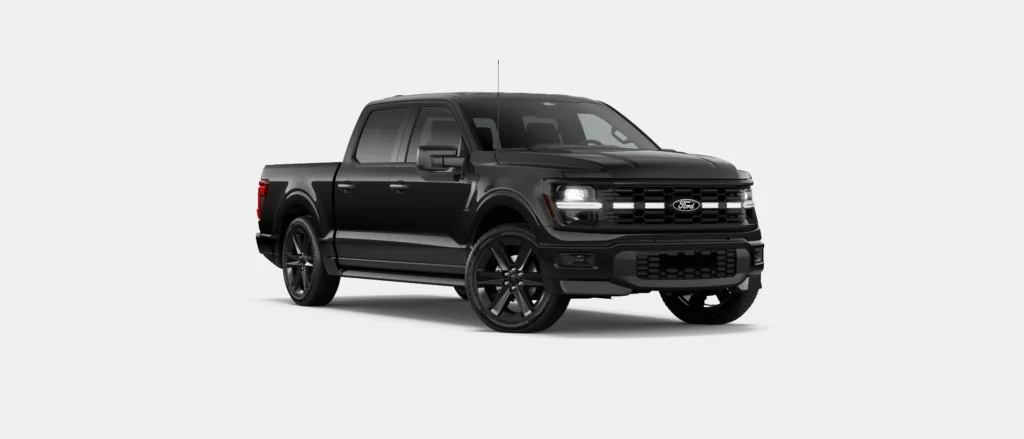 Image Source: Ford
These vehicles were identified through manufacturing records and are not listed sequentially by VIN, so owners need to check individually.
Root Cause: What Went Wrong?
The issue relates to wear in the electrical connections within the transmission system.
Key Technical Breakdown
- Thermal cycling and vibration over time damage internal connections
- This affects the transmission lead frame
- The TRS sends incorrect signals to the PCM
- The PCM misinterprets the gear position, triggering unintended shifts
In simple terms, the truck can “get confused” about which gear it should be in, responding suddenly.
Also Read: Honda Odyssey recalled after airbags deploy unexpectedly during normal driving
Warning Signs Drivers Should Watch For
Before a failure occurs, some drivers may notice early signs.
Common Symptoms
- Illuminated malfunction indicator light (MIL)
- Dashboard wrench light
- Irregular shifting behavior
- Sudden jerks during acceleration or cruising
Ignoring these signs can raise the risk of a dangerous driving situation.
Investigation Timeline: How the Ford Recall 2026 Unfolded
The Ford Recall 2026 didn’t happen overnight; it followed a thorough federal investigation.
Key Milestones
| Date | Event |
|---|---|
| October 2024 | NHTSA receives complaints from vehicle owners |
| March 2025 | Preliminary evaluation begins |
| January 2026 | Escalated to engineering analysis |
| April 7, 2026 | Recall officially approved |
| April 15, 2026 | Dealers notified |
| April 27–May 1, 2026 | Owner notifications begin |
This timeline shows how long safety investigations can take, particularly when dealing with intermittent mechanical issues.
Also Read: Toyota bZ7 Gets 3,100 Orders in One Hour With 435-Mile Range and Luxury Features
Ford’s Fix: What Owners Need to Do
Ford has laid out a clear plan to tackle the issue, and repairs are free.
Repair Solution
- Software update for the powertrain control module
- Transmission lead frame replacement (if necessary)
- Extended warranty coverage for affected components
Where to Get It Fixed
Owners can:
- Visit a Ford or Lincoln dealership
- Use mobile service options where available
Cost
- The repair is free for owners
- Federal law requires manufacturers to cover recall repairs.
How to Check If Your Truck Is Affected
If you own an F-150 from this timeframe, verifying your status is straightforward.
Steps to Check Recall Status
- Locate your 17-digit VIN (found on the dashboard, driver’s side)
- Enter it on Ford’s official website
- Cross-check with the NHTSA recall database
This process ensures you get accurate and vehicle-specific information.
Real-World Impact: Owners and Market Effects
The Ford Recall 2026 is not just about repairs; it has wider implications.
For Owners
- Temporary inconvenience
- Potential safety concerns
- Impact on resale value
- Increased awareness of transmission reliability
For the Used Truck Market
- Buyers may hesitate to purchase 2015–2017 models
- Prices might fluctuate
- Demand may shift to newer or unaffected models
For Ford
- Over 150 recalls in 2025 alone
- About 13 million vehicles affected
- Pressure on reputation, despite the strong legacy of the F-150
Competitor Comparison: How Rivals Stack Up
While Ford leads in the truck segment, recalls like this create openings for competitors.
Segment Rivals
| Truck | Strength | Weakness |
|---|---|---|
| Chevrolet Silverado | Strong V8 performance | Interior quality concerns |
| Ram 1500 | Premium cabin, smooth ride | Reliability perception |
| Toyota Tundra | Proven durability | Lower fuel efficiency |
The ford recall 2026 may lead buyers toward brands viewed as more reliable, at least temporarily.
Expert Analysis: Is This a Major Setback?
From an industry viewpoint, the Ford Recall 2026 is serious, but not disastrous.
Key Takeaways
- The issue is mechanical and fixable, not a structural problem
- Ford’s response has been timely and thorough
- Transparency and free repairs help maintain trust
However, multiple recalls can damage long-term brand confidence, particularly among fleet buyers and loyal customers.
Also Read: 2027 RAM 2500 Police Truck Stuns With 405-HP HEMI, 103 MPH Speed & Pursuit-Certified Performance
Pros and Cons of the Situation
Pros
- Free repairs for all affected vehicles
- Early warning signs help prevent accidents
- Clear communication from regulators and the manufacturer
Cons
- Serious safety risk if ignored
- Large number of vehicles impacted
- Potential drop in resale value
- Adds to Ford’s history of recalls
FAQs: Ford Recall 2026
1. Why is Ford recalling F-150 trucks?
Due to a defect that can cause unintended downshifting, increasing the risk of crashes.
2. How many trucks are affected?
About 1.39 million F-150 trucks.
3. When will owners be notified?
Between April 27 and May 1, 2026, with further updates in July.
4. Is the repair free?
Yes, Ford covers all repairs related to the recall.
5. Can I still drive my truck?
Yes, but caution is advised, especially if warning lights are showing.
6. What if I ignore the recall?
You risk losing vehicle control and facing safety hazards.
Final Thoughts: Should Owners Be Concerned?
The Ford Recall 2026 is a serious but manageable issue. While the thought of a truck unexpectedly downshifting is worrisome, the fix is straightforward, free, and already underway. For current owners, the best action is simple: check your VIN, schedule the repair, and stay alert to warning signs.
For potential buyers, this recall shouldn’t necessarily disqualify the F-150. Instead, it highlights the need to verify service history and confirm that recall repairs have been completed.
In the grand scheme, the F-150 remains one of the most capable and versatile trucks available. However, this incident serves as a reminder that even top-selling vehicles can face engineering challenges, and staying vigilant is part of responsible vehicle ownership.