Hyundai India Lineup Expansion – What It Means for Buyers
The Hyundai India Lineup Expansion is shaping up to be one of the most exciting automotive developments in the country over the next few years. If you’ve been following the Indian car market closely, you’ll notice a clear shift—brands are no longer just launching facelifts, they are completely redefining their future strategies.
And that’s exactly what Hyundai Motor Company is doing in India.
From strong hybrid SUVs to a highly localised electric vehicle, Hyundai is preparing a diverse portfolio that caters to both mass-market and premium buyers. Let’s break it down in a way that actually makes sense if you’re planning your next car purchase.
Hyundai India Lineup Expansion Overview
The Hyundai India Lineup Expansion is not just about adding more cars—it’s about covering every major segment with the right technology. With the ongoing Hyundai India Lineup Expansion, the company is focusing on both hybrid and electric mobility.
Hyundai is focusing on:
-
Strong hybrid systems
-
Mass-market EVs
-
Premium global SUVs
-
Updated existing models
This multi-layered strategy ensures they stay competitive against rivals like Tata and Mahindra. For official updates, you can also check Hyundai India.
Upcoming Hyundai Hybrid Cars in India
Hybrid technology is going to be the backbone of Hyundai’s next phase in India.
Why Hybrids Matter
-
Better fuel efficiency
-
Lower emissions
-
No charging anxiety
Key Hybrid Models Expected:
1. Next-Gen Hyundai Creta (SX3)
The upcoming generation of Creta will remain Hyundai’s volume driver.
Expected highlights:
-
New platform
-
Updated design & interiors
-
Strong hybrid system (major upgrade)
-
Existing petrol & diesel engines retained
2. New 3-Row SUV (Ni1i)
Positioned between:
-
Hyundai Alcazar
-
Discontinued Hyundai Tucson
Expected features:
-
Larger cabin
-
Premium positioning
-
1.5L petrol hybrid engine
-
Targeted for high sales volume
This SUV could become a gamechanger in the 3-row segment.
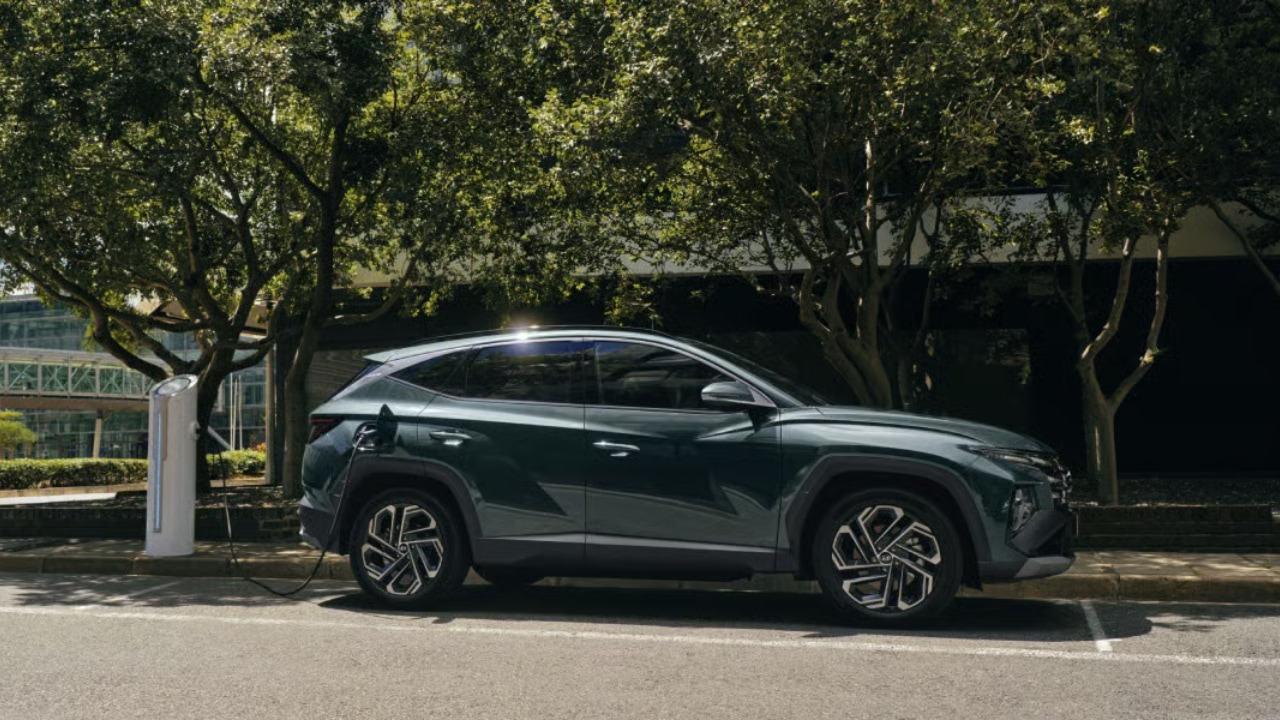
New Hyundai SUVs in Pipeline”
SUV demand in India is still booming, and Hyundai clearly understands that.
Possible Additions:
-
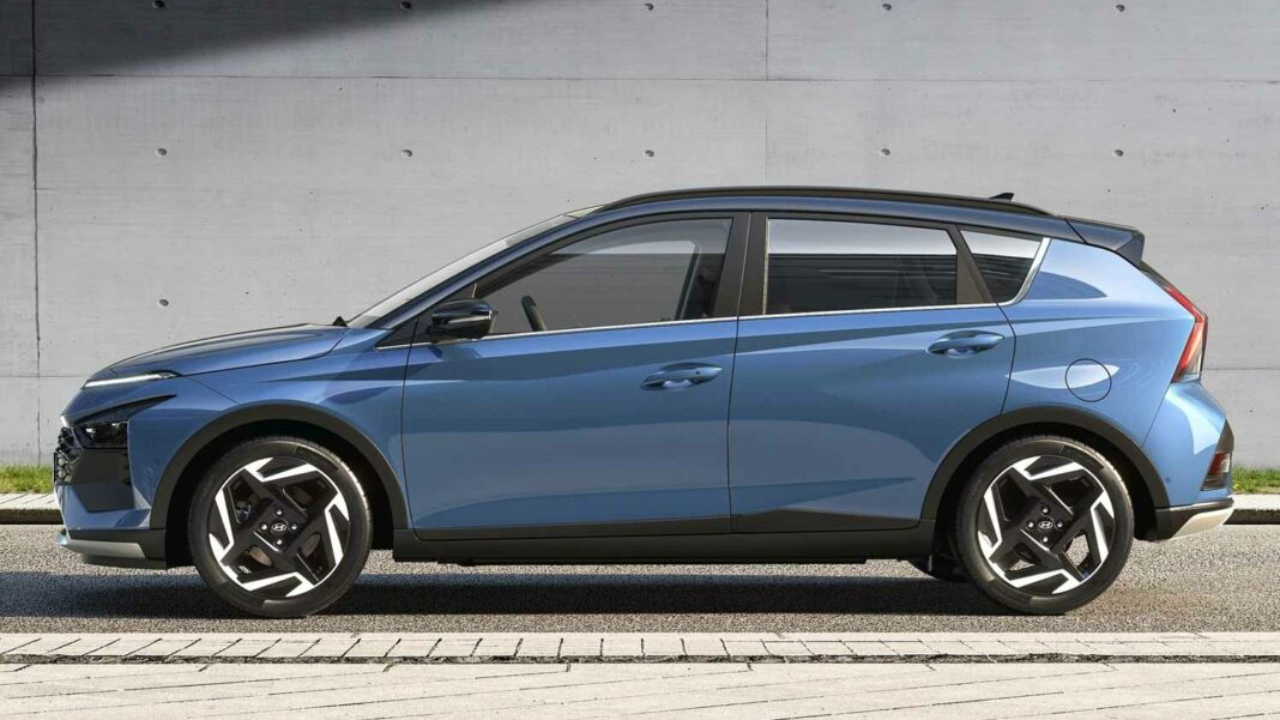
Hyundai Bayon (under evaluation)
-
Updated Verna and other existing models
Hyundai is not just adding new cars—they are strengthening their entire portfolio.
Hyundai’s Localised EV Strategy:
Before hybrids dominate, Hyundai is going aggressive in EV space.
Upcoming Compact EV (2026)
This new EV will:
-
Be heavily localised (lower cost)
-
Target mass-market buyers
-
Compete with:
-
Tata Punch EV
-
Tata Nexon EV
-
Mahindra XUV 3XO EV
-
Why This EV Matters
-
Affordable pricing
-
High localisation = better margins
-
Strong competition in entry EV segment
Hyundai is clearly aiming for volume here.
Premium Segment Plans: Palisade Possibility:
At the top end, Hyundai is exploring something big.
Hyundai Palisade (Expected by 2028):
Not officially confirmed, but under consideration.
Expected highlights:
-
3-row luxury SUV
-
2.5L turbo petrol hybrid engine
-
Premium interiors & features
-
Hyundai’s flagship model in India
If launched, it will compete with:
-
Toyota Vellfire
-
Lexus LM
This could redefine Hyundai’s premium image in India.
Expected Launch Timeline:
| Year | Model | Segment | Key Highlight |
|---|---|---|---|
| 2026 | Compact EV | Entry EV | Localised, affordable |
| 2027 | New 3-row SUV (Ni1i) | Mid-size SUV | Hybrid powertrain |
| 2027 | Next-gen Creta | Compact SUV | Strong hybrid tech |
| 2028 | Palisade (Expected) | Premium SUV | Flagship offering |
Comparison Table: Upcoming Hyundai Cars:
| Model | Powertrain | Segment | Expected Impact |
|---|---|---|---|
| Compact EV | Electric | Budget EV | High volume sales |
| Creta SX3 | Hybrid + ICE | Compact SUV | Segment leader |
| Ni1i SUV | Hybrid | 3-row SUV | Family buyers |
| Palisade | Hybrid | Premium SUV | Brand image boost |
What This Means for Indian Buyers:
The Hyundai India Lineup Expansion directly benefits buyers in multiple ways:
1. More Choices
From budget EVs to premium SUVs, every segment is covered.
2. Better Technology
Hybrids will offer:
-
Smooth driving
-
Lower fuel costs
3. Competitive Pricing
Localisation will help Hyundai price EVs aggressively.
4. Future-Ready Options
Buyers won’t have to choose between petrol and EV—hybrids act as the perfect middle ground.