Porsche EV Retreat Shakes the Automotive Industry
The Porsche EV Retreat has become one of the biggest automotive industry stories of 2025. Luxury sports car manufacturer Porsche AG stunned investors after announcing extraordinary charges totaling €3.9 billion, which dramatically reduced its automotive operating profit. On paper, Porsche’s automotive operating profit collapsed from €5.3 billion to just €90 million, representing a staggering 98% drop. While the company remains financially stable, the accounting adjustment highlights the growing challenges luxury automakers face as they transition to electric vehicles. The development also raised broader questions about the pace of global electrification and whether even premium brands can sustain profitability during the EV transition.
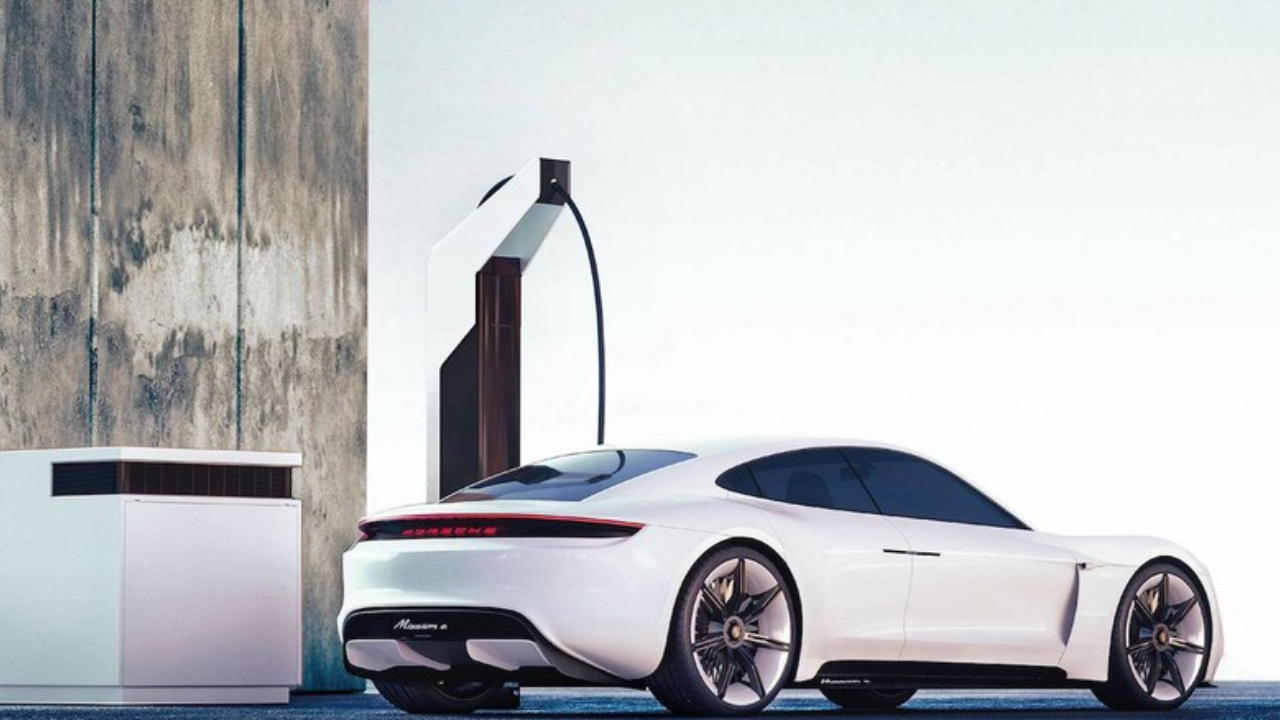
Why Porsche Wrote Down €3.9 Billion
The €3.9 billion charge was not a direct cash loss. Instead, it consisted of accounting adjustments required when companies change their long-term strategies or revise profit expectations.
Several factors contributed to the massive write-down:
1. Strategic Realignment
Around €2.4 billion was related to Porsche’s strategic shift in product development. The company is now recalibrating its long-term roadmap after recognizing that EV demand is growing slower than expected in certain markets.
2. Battery-Related Activities
Approximately €700 million came from investments tied to battery development and related EV infrastructure. These investments were reassessed as the company adjusted its electrification strategy.
3. US Tariffs
Another €700 million was linked to tariffs affecting vehicle imports into the United States, increasing the cost of selling luxury cars in one of Porsche’s most important markets.
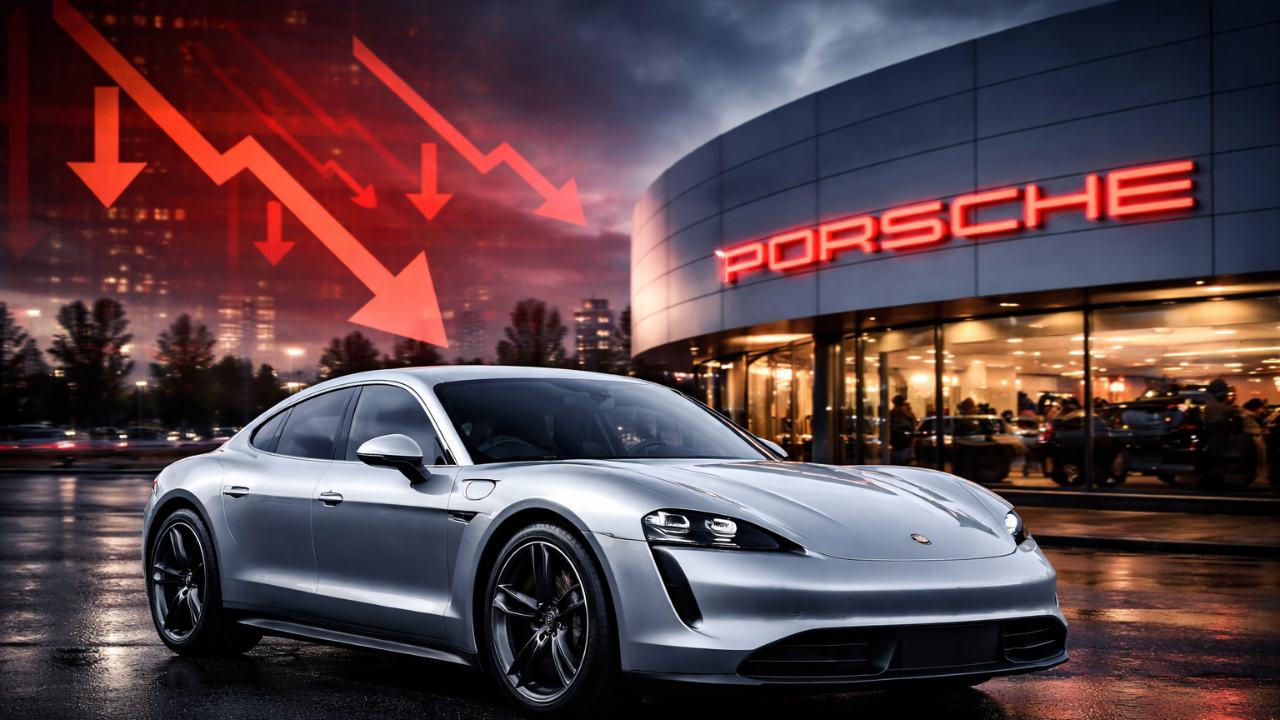
Porsche EV Retreat and the Abandoned Electric Platform
One of the most dramatic parts of the Porsche EV Retreat is the decision to cancel a major next-generation EV platform. For several years, Porsche had been developing a fully electric vehicle architecture meant to power future models throughout the 2030s. However, the company has now decided to shelve that program. Instead, Porsche will extend the life cycle of internal combustion engines and plug-in hybrid models. This move reflects a broader shift within the industry. Several automakers are reconsidering aggressive EV timelines as customer demand evolves more slowly than originally predicted.
How Porsche’s Profits Collapsed by 98%
Despite the huge accounting charges, Porsche’s underlying business still faces challenges. The company’s group operating profit fell 92.7%, dropping from €5.6 billion to €413 million.
Its automotive division suffered the most dramatic decline:
-
2024 operating profit: €5.3 billion
-
2025 operating profit: €90 million
That represents an astonishing 98.3% drop in profit. Even though these numbers are largely accounting adjustments, they still signal that Porsche’s previous expectations for EV profitability may have been too optimistic.
Global Challenges Facing European EV Brands
The Porsche EV Retreat also highlights wider issues facing European automakers. Luxury EVs are proving harder to sell than expected in key markets.
Strong Competition from Chinese Brands
Chinese EV manufacturers are rapidly gaining ground in both technology and price competitiveness. Companies in China now produce advanced electric vehicles that often cost less than European luxury models.
Slower EV Adoption
Consumers in many markets are adopting EVs more slowly than anticipated due to concerns about charging infrastructure, battery range, and high prices.
Pressure from Tariffs
Trade policies, particularly in the United States, have increased costs for imported vehicles, squeezing profit margins. These factors combined are forcing automakers to rethink their electrification strategies.
Falling Deliveries and Market Pressure
Beyond the accounting adjustments, Porsche’s operational performance also showed signs of slowing. Vehicle deliveries dropped significantly in 2025.
Key numbers include:
-
Deliveries declined 10.1% to 279,449 vehicles
-
Vehicle sales fell 15% to 265,663 units
-
Revenue decreased 11.7% to €32.2 billion
Even Porsche’s flagship electric model, the Porsche Taycan, experienced weaker demand. Deliveries of the Taycan dropped 22% in 2025, raising concerns about the sustainability of high-priced luxury EVs. Meanwhile, North America remained Porsche’s largest market, while China’s share of global deliveries fell from 18% to 15%.
Impact on the Volkswagen Group
The effects of the Porsche EV Retreat extend far beyond the brand itself. Porsche has historically been one of the most profitable brands inside the Volkswagen Group. For years, its high margins helped support other brands within the conglomerate. But the sudden collapse in Porsche’s automotive margin—from 14.5% in 2024 to just 0.3% in 2025—has created a major financial gap for the group. Volkswagen’s net profit also dropped sharply, falling 44% to €6.9 billion. As a result, the company announced plans to cut 50,000 jobs in Germany by 2030 as part of a cost-reduction strategy. Porsche itself may reduce around 3,900 jobs, including temporary staff.
What the Porsche EV Retreat Means for the Future of EVs
The Porsche EV Retreat raises an important question: if one of the world’s most profitable car brands struggles with the EV transition, what does that mean for the rest of the industry? Porsche was once seen as the prestige EV leader within the Volkswagen ecosystem. Its early success with the Taycan helped prove that luxury electric sports cars could exist. However, the latest developments suggest that the path to full electrification may take longer than expected.
Instead of abandoning EVs entirely, Porsche appears to be adopting a more flexible strategy:
-
Continue investing in electric models
-
Extend internal combustion engine life cycles
-
Expand plug-in hybrid offerings
This balanced approach could allow the brand to adapt more effectively to real-world consumer demand.
Final Thoughts
The Porsche EV Retreat is more than just an accounting adjustment—it is a warning signal for the global automotive industry. While electric vehicles remain a crucial part of the future, the transition may not be as fast or as profitable as early forecasts suggested. Luxury brands like Porsche now face a delicate balancing act: investing in electrification while maintaining the profitability that made them successful in the first place. For now, the €3.9 billion write-down serves as a reminder that even the most prestigious automakers must adapt quickly in a rapidly changing automotive landscape.
Also Read: Russia Parallel Car Imports Surge 53% in 2026: 5 Major Shifts Reshaping the Auto Market
Also Read: JSW MG Motor Electric SUVs India: 3 Powerful New EVs and Hybrid SUVs Launching by 2027
Also Read: 2026 Jaecoo 8 Review: 7 Powerful Reasons This £45K Luxury SUV Is Shocking the Premium Market
Also Read: Best Sedans for City Traffic in India: 5 Smart & Comfortable Choices for Daily Commutes
Also Read: 5 Best EVs in India for First-Time Buyers in 2026 – Affordable & Smart Electric Cars