When people talk about the global automobile business, names like Toyota, Volkswagen, Ford Motor Company, Tesla, BMW and Mercedes‑Benz usually dominate the conversation. In recent years, Chinese electric-vehicle giant BYD has also joined the global spotlight. But there’s one automotive market that almost never enters the discussion — the Iran Car Industry.
Despite decades of sanctions and limited access to international partnerships, Iran has quietly built one of the largest domestic automotive industries in the Middle East. In fact, the country’s top automakers produced more than 643,000 cars between March and December 2025, according to reports from Tehran Times. For an industry operating largely outside the global spotlight, that number is surprisingly massive.
Let’s explore the fascinating story behind Iran’s overlooked automotive sector.
A Domestic Automotive Industry Built Against the Odds
Iran’s car manufacturing sector is built around three major companies:
Together, these automakers form the backbone of Iran’s automobile ecosystem.
Unlike most global car markets that rely heavily on international supply chains, Iran’s industry has evolved under unique conditions. Economic sanctions and geopolitical restrictions forced the country to rely on local engineering expertise, reverse engineering, and older licensed platforms. Over time, this approach allowed Iranian manufacturers to sustain production and gradually develop their own vehicles.
Iran Khodro: The Country’s Largest Automaker
Founded in 1962, Iran Khodro — often abbreviated as IKCO — is the largest automotive company in Iran.
The company initially produced vehicles under license from European brands like Renault and Peugeot.
The Legendary Paykan
One of the most iconic cars in Iran’s history is the Paykan.
Introduced in 1967, the sedan was based on the British Hillman Hunter developed by the Rootes Group. For nearly four decades, the Paykan served as Iran’s “people’s car.” Its role in Iran’s mobility revolution was similar to how affordable vehicles transformed transportation in countries like India. Production finally ended in 2005, but the Paykan remains a cultural icon.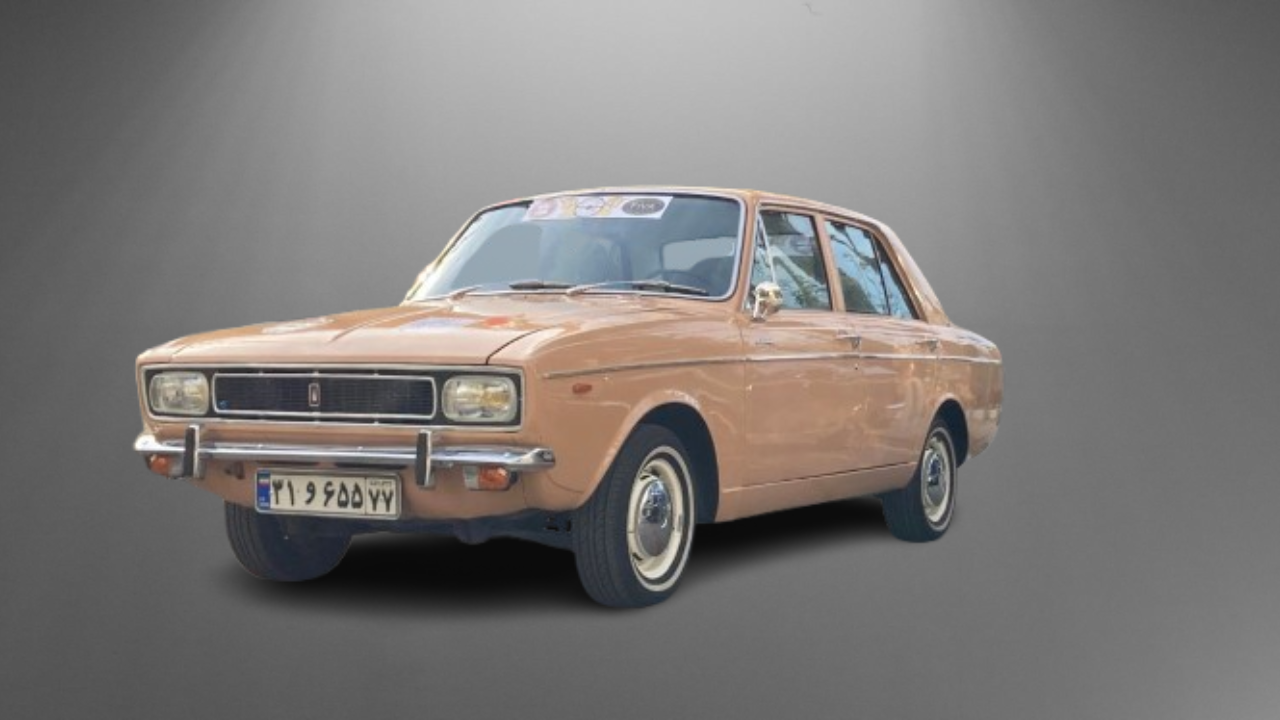
Samand: Iran’s National Car
After the Paykan era ended, Iran Khodro introduced the Samand in 2001. Built on the platform of the Peugeot 405, the Samand quickly became one of the most recognizable cars on Iranian roads. For many households, the Samand represented affordable mobility, reliability, and practicality — key factors that helped it dominate the domestic market for decades.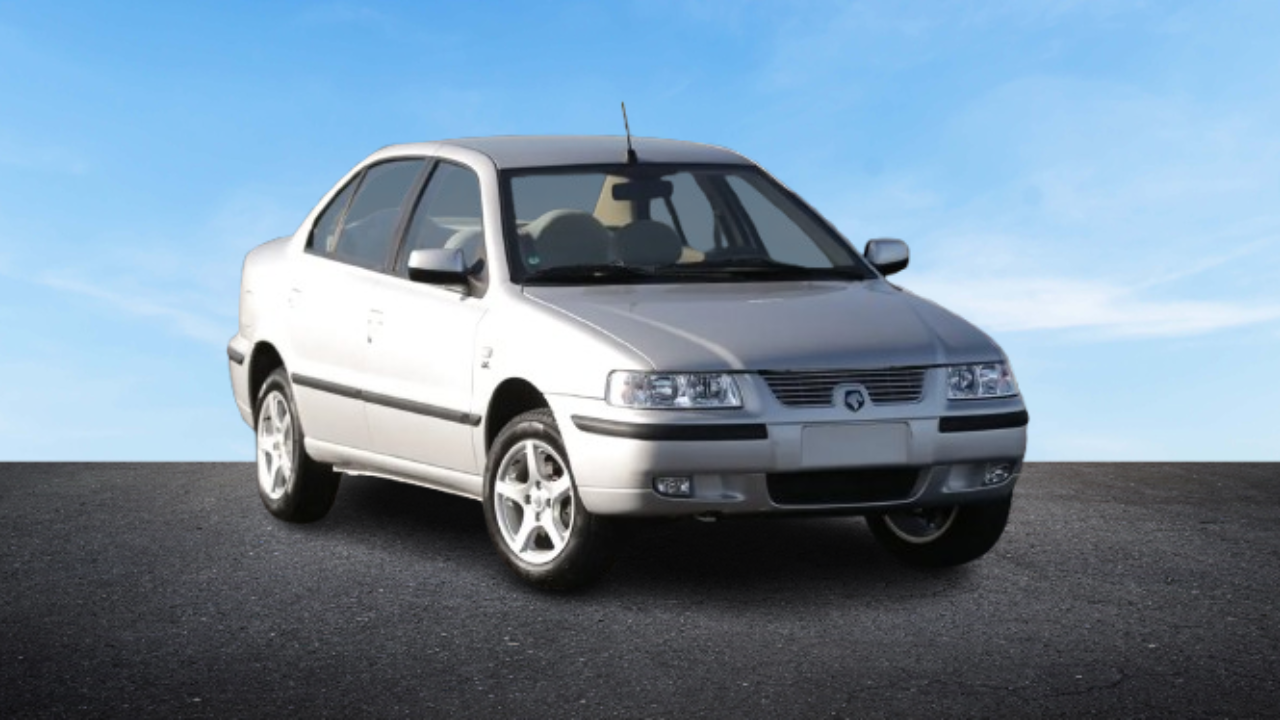
The New Generation: IKCO Reera
In recent years, Iran Khodro has started modernizing its lineup. One of its newest vehicles is the IKCO Reera, introduced in 2024. The Reera features a contemporary SUV design and is loosely related to the Peugeot 2008 platform. The model is expected to be available with both internal combustion engines and electric versions, reflecting Iran’s gradual move toward modern automotive technology.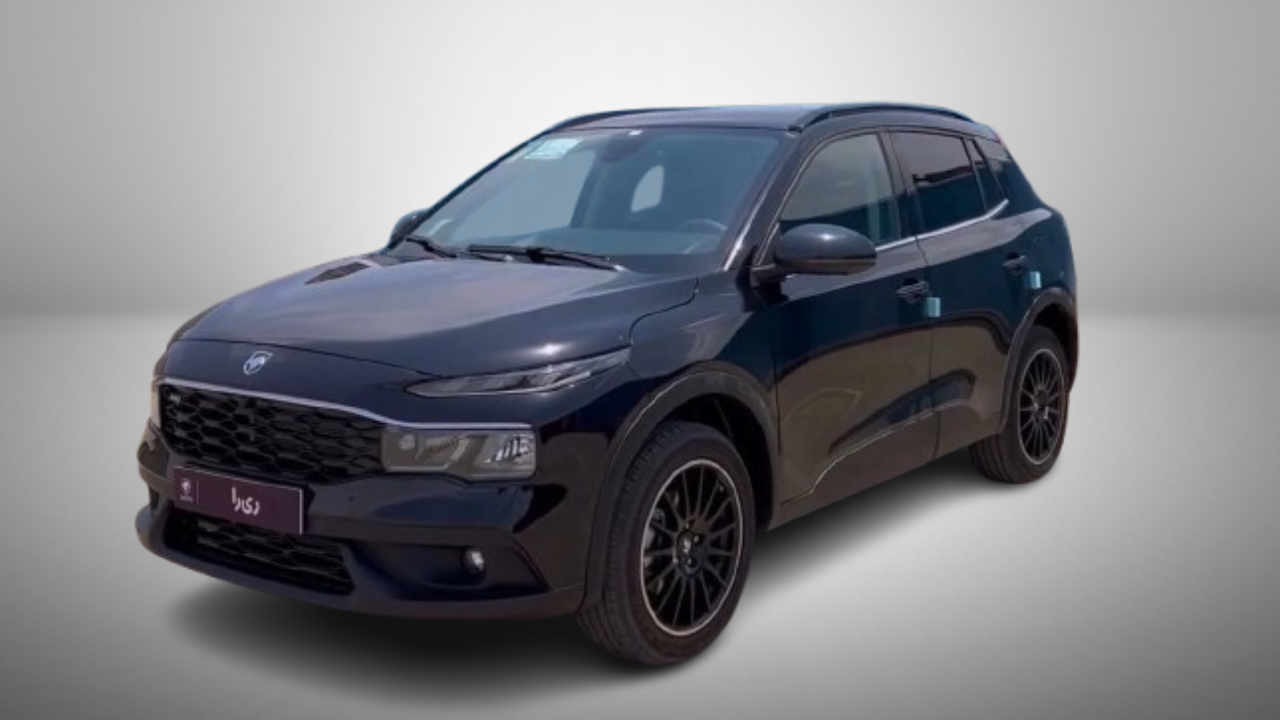
SAIPA: Iran’s Second Automotive Powerhouse
Another major pillar of the Iran Car Industry is SAIPA. The company was established in 1965 under the name SAIPAC and initially produced vehicles for Citroën. After Citroën exited Iran in the 1970s, the company was renamed SAIPA and began developing its own models.
Some of its well-known vehicles include:
-
Tiba
-
Saina
-
Quick
These models mainly target budget-conscious buyers and represent the mass-market segment of Iran’s car market. Interestingly, many of these cars trace their roots back to the legendary Kia Pride platform.
Why Many Iranian Cars Look Familiar
If Iranian vehicles remind you of older European models, there’s a good reason. The country’s early automotive partnerships were heavily influenced by French companies like Peugeot and Renault. However, several historical events reshaped these relationships:
-
Iranian Revolution
-
Iran–Iraq War
-
International economic sanctions
When foreign companies gradually withdrew from the market, Iranian manufacturers continued developing the vehicles using existing platforms and local engineering upgrades.
The Unexpected Global Journey of Iran’s Best-Selling Cars
One of the most fascinating stories in the Iran Car Industry involves a car with a truly global origin. In the 1980s, Ford Motor Company asked Mazda to design an affordable compact car. The result was the Mazda 121. To keep costs low, production was handled by Kia in South Korea.
The same vehicle later appeared in different markets as:
-
Ford Festiva in the United States
-
Kia Pride in South Korea
During the 1990s, SAIPA began producing the Kia Pride in Iran under license. When sanctions forced Kia to exit, SAIPA continued manufacturing the platform locally — eventually transforming it into modern cars like the Saina and Quick. It’s a remarkable journey for a vehicle conceived in America, designed in Japan, built in Korea, and reinvented in Iran.
A Surprisingly Massive Production Capacity
Despite its relative isolation from global markets, Iran’s automotive sector is far from small. According to data from Mordor Intelligence:
| Metric | Data |
|---|---|
| Annual Production Capacity | 1.1+ Million Vehicles |
| Cars Produced (Mar–Dec 2025) | 643,000 |
| Major Automakers | 3 |
| Main Export Markets | Iraq, Azerbaijan, Venezuela |
| Industry Start | 1960s |
That production capability makes Iran’s domestic automotive sector larger than several European automotive hubs.
Where Iran Exports Its Cars
Although Iran’s vehicles rarely appear in Western markets, the country does export cars to several regions. According to data from Observatory of Economic Complexity, Iranian cars are sold in countries such as:
-
Iraq
-
Azerbaijan
-
Venezuela
-
Several Central Asian markets
However, detailed export numbers are difficult to track because global industry organizations like International Organization of Motor Vehicle Manufacturers do not regularly publish complete data for Iran.
The Bigger Picture
The Iran Car Industry tells a remarkable story of resilience. From the iconic Paykan to the Samand and now modern SUVs like the Reera, Iran has managed to build a substantial automotive ecosystem largely on its own. While the industry remains relatively hidden from the global spotlight, its production scale, engineering adaptation, and long-standing domestic demand prove something important: Even without full access to international supply chains, a country can still develop a large and sustainable automobile industry. And as global automotive markets continue evolving toward electrification and regional manufacturing hubs, Iran’s automotive story may become far more relevant than most people realize.
Also Read: Volkswagen’s New Scout SUV Sparks Dealer Revolt Over Direct Sales Plan
Also Read: JSW MG Motor Electric SUVs India: 3 Powerful New EVs and Hybrid SUVs Launching by 2027
Also Read: Mahindra Sales Analysis Feb 2026: 7 Powerful SUV Sales Insights as Scorpio & Thar Dominate