A major shift is brewing in the American auto industry. Volkswagen’s New Scout SUV is already making headlines even before its official launch, but not just because of its rugged electric design. The parent company, Volkswagen Group, is facing strong resistance from its own dealership network after announcing plans to sell vehicles from its upcoming brand Scout Motors directly to consumers—bypassing the traditional dealership system. The move has triggered lawsuits, heated debates across the automotive industry, and a bigger question: Will the way Americans buy cars change forever?
What Is Volkswagen’s New Scout SUV?
The Volkswagen’s New Scout SUV is part of a new lineup being developed under the Scout Motors brand. The vehicles are designed as rugged electric and hybrid trucks and SUVs specifically for the U.S. market. Production is expected to begin around 2028, with vehicles built at a new manufacturing facility in South Carolina.
Scout vehicles aim to compete in segments traditionally dominated by American brands, including:
-
Off-road SUVs
-
Pickup trucks
-
Adventure-focused electric vehicles
The goal is to attract buyers looking for durable, American-style utility vehicles combined with modern electric technology.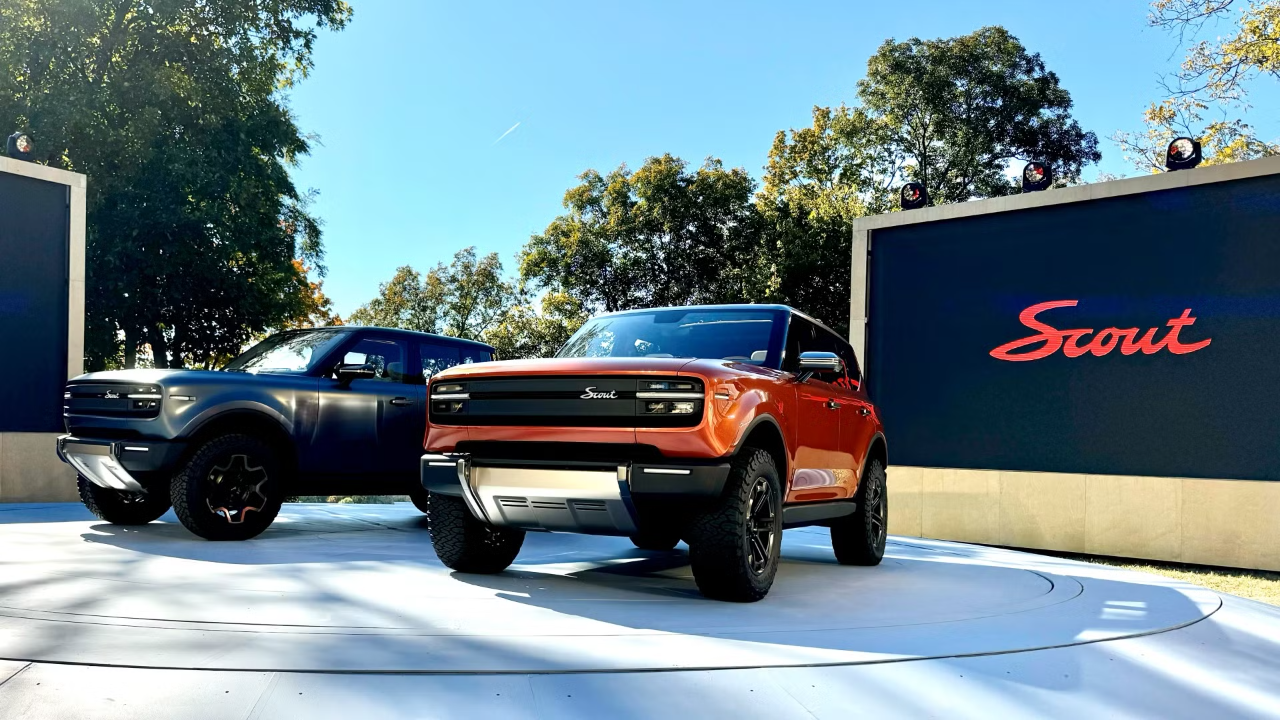
Why Volkswagen’s New Scout SUV Is Generating Massive Buzz
The excitement around Volkswagen’s New Scout SUV comes from several factors. First, the SUV promises to bring a new design philosophy to the electric vehicle market—combining off-road capability with EV technology. Second, it represents a bold expansion strategy for Volkswagen Group in the United States, where demand for trucks and SUVs continues to dominate. Finally, the vehicle is being positioned as an adventure-focused EV, appealing to buyers who want both sustainability and rugged performance.
Volkswagen’s Direct-to-Consumer Sales Strategy
Instead of using franchised dealerships, Volkswagen plans to sell Scout vehicles directly to consumers through company-owned showrooms and online platforms. This approach mirrors the sales models used by several electric vehicle companies, including:
-
Tesla
-
Rivian
-
Lucid Motors
Under this system, customers purchase vehicles directly from the manufacturer rather than negotiating with independent dealers. Scout Motors believes this strategy will allow the company to:
-
Maintain consistent pricing nationwide
-
Simplify the vehicle purchasing process
-
Use data and artificial intelligence to better understand customers
-
Deliver a more streamlined buying experience
However, this decision has also sparked one of the biggest controversies in the automotive industry.
Why Volkswagen Dealers Are Pushing Back
Dealers across the United States strongly oppose the plan. Their main argument revolves around franchise laws, which historically require automakers to sell vehicles through independent dealers rather than directly to consumers. Dealers say the existing system benefits customers because:
-
Dealers compete with one another on pricing
-
They provide long-term maintenance and service support
-
Local dealerships build long-term relationships with customers
-
Trade-in values can often be negotiated more competitively
Because Scout Motors is owned by Volkswagen, many dealers believe the new brand should follow the same distribution model as other Volkswagen vehicles.
Lawsuits Could Delay the Launch
Several legal challenges have already been filed against the direct-sales strategy. One lawsuit is seeking class-action status to represent hundreds of Volkswagen dealers across the United States. The goal is to resolve the dispute nationally instead of fighting separate legal battles in multiple states. Dealers hope the legal action will force Volkswagen to reconsider its sales model before the first Scout vehicle rolls off the production line later this decade.
U.S. Laws Make Direct Car Sales Difficult
Direct car sales face significant legal challenges in many U.S. states. State franchise laws often prohibit manufacturers from selling vehicles directly to consumers. These laws were originally created to protect independent dealerships from being pushed out by powerful automakers. For example, even though Scout Motors plans to build vehicles in South Carolina, the company currently cannot obtain a license there to sell vehicles directly. This legal framework is one reason the dispute has become such a major issue.
Traditional Dealership Model vs Direct Sales
The debate surrounding Volkswagen’s New Scout SUV highlights a major shift in the car-buying landscape.
| Feature | Traditional Dealership Model | Direct Sales Model |
|---|---|---|
| Who sells the car | Independent dealers | Automaker directly |
| Price negotiation | Often negotiable | Usually fixed price |
| Service & maintenance | Dealer service centers | Company-owned service hubs |
| Buying experience | In-person dealership visits | Online + brand showrooms |
| Examples | Volkswagen Group dealer network | Tesla, Rivian, Lucid Motors |
This shift has already transformed the EV market, but legacy automakers adopting the same strategy could reshape the entire industry.
Scout’s Vision for Sales and Service
Scout Motors plans to open around 100 company-owned showrooms and service centers across the United States and Canada. These locations will handle:
-
Vehicle sales
-
Service and maintenance
-
Customer support
The company believes many consumers are frustrated with the traditional dealership experience and want simpler, transparent ways to purchase vehicles.
What This Means for the Future of Car Buying
The conflict between Volkswagen dealers and Scout Motors could become one of the most important legal battles in the modern automotive industry. At its core, the dispute is about a fundamental question:
Who should control the car-buying experience — automakers or dealerships?
If Volkswagen succeeds, other global automakers could follow the same strategy. But if dealers win in court, the traditional dealership model could remain firmly in place for years to come. Either way, the launch of Volkswagen’s New Scout SUV may mark the beginning of a new chapter in how cars are sold in the United States.
Also Read: Hyundai Verna 2026
Also Read: JSW MG Electric SUV in India